




Singular vs Plural Samoan

Samoan Verbs with Plural Variations

Introduction In Samoan, many verbs have different forms depending on whether the action is done by one person or multiple people. These verbs are important to learn because they help you speak more naturally and correctly in conversations. For example, if one person is dancing, the verb used is siva. But if multiple people are…

Read More
O Lona Uiga

Strengthening Your Samoan Through Interactive Exercises: O lona uiga

This interactive activity helps learners strengthen their understanding of the Samoan language by focusing on vocabulary building, comprehension, and speaking skills. This interactive activity helps learners strengthen their understanding of the Samoan language by focusing on vocabulary building, comprehension, and speaking skills. The Exercise The exercise follows a simple two-part dialogue: This simple repetition reinforces…

Read More
Uma Samoan language Cards Sold Out

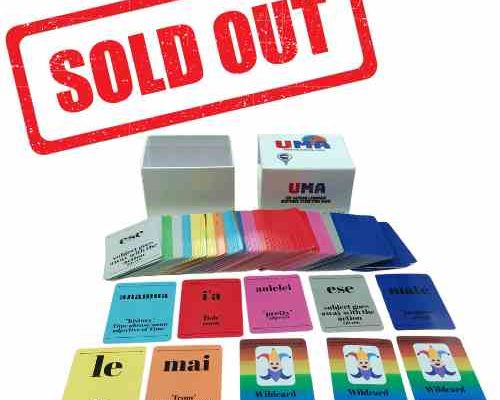
UMA! Samoan Flashcard Exercise

Caption: Someone pointed out to me that when you’re reading Samoan in order to translate it, you often have to start in the middle, then go back to the front for it to make sense. That’s because in English we typically start our sentences with the subject.  In Samoan, we don’t usually start with the subject. …

Read More
O Ai Who In Samoan

Formulating “Who” Statements

How to Formulate “O ai” Statements in Samoan In Samoan, “O ai” means “Who” and is used to ask questions about identity, presence, or actions. You can create “O ai” statements by: 1. Adding a Noun Phrase A noun phrase gives specific details about the person’s identity or role. The structure is:O ai + noun…

Read More
Girls are also Uso

Uso is Not Just for Men

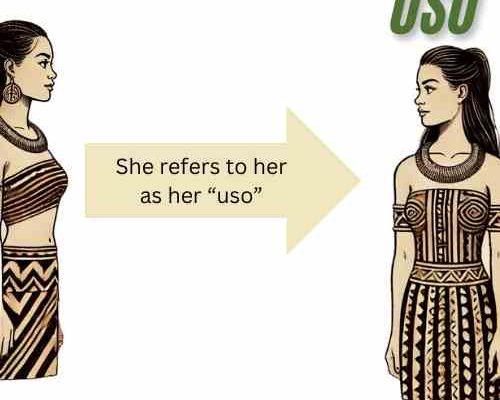
Understanding the Words “Uso,” “Tuafafine,” and “Tuagane” in Samoan The Samoan language has specific terms for addressing siblings and gender plays a significant role in how these words are used. Unlike English, where “brother” or “sister” applies regardless of the speaker’s gender, Samoan uses “uso,” “tuafafine,” and “tuagane” to differentiate sibling relationships based on both…

Read More
fia and mana'o samoan language

To Want Statements: Fia & Mana’o

Understanding Fia and Mana’o in Samoan Language When learning the Samoan language, two important verbs, fia and mana’o (manana’o is plural), play a significant role in expressing desires and wants. While they may seem similar at first glance, their usage differs depending on whether you are expressing the desire to do something or the desire…

Read More
Tense Markers

Samoan Tense Markers

In the Samoan language, tense markers play a crucial role in expressing when an action occurs—whether in the past, present, or future. These markers are concise words that indicate the time frame of a sentence, providing clarity without the need for extensive conjugation. Learning these tense markers is essential for constructing grammatically correct sentences and…

Read More
Verified by MonsterInsights